


5 Essential Tips for Running El Paso Hills with Confidence and Ease

El Paso hills don’t gently suggest effort. They point upward and say, “Let’s see what you’ve got.” Between the Franklin Mountains, dry desert air, sun exposure, and those sneaky inclines that feel steeper on the way back, running here asks a little more from your legs and lungs.
The good news? You don’t have to be a mountain goat in racing flats. With the right technique, pacing, gear, and hydration plan, you can turn those climbs into your training superpower.
1. Shorten your stride when the road tilts up
Uphill running rewards patience. If you attack every climb like you’re being chased by a rogue tumbleweed, your calves will file a formal complaint.
On climbs, focus on quick, short steps instead of long, bounding strides. Keep your feet landing under your body, not way out in front. Lean slightly from the ankles, not the waist. Think “tall and light,” with your chest open so your lungs have room to work.
Try this on your next hill:
Look about 10 to 20 feet ahead, not at your shoes.
Keep your elbows bent and drive your arms back.
Take shorter steps as the grade gets steeper.
Let your pace slow without calling it failure.
That last one matters. Uphill pace naturally drops because you’re working against gravity. Your effort is the real guide, not the number on your watch.
A simple cue helps: same effort, slower speed.
2. Control the downhill instead of bombing it
Running downhill feels like free speed, right up until your quads start shaking like a folding table at a family cookout.
Downhill running loads your legs differently than flat running. Your muscles work hard to brake your body, which can leave you sore if you overstride. The goal is controlled flow, not wild windmill energy.
Use these downhill habits:
Keep your steps quick and light.
Land with your foot close to your center of mass.
Relax your shoulders and hands.
Avoid leaning back, which increases braking.
Let gravity help, but don’t let it drive the bus.
If the hill is steep, it’s okay to slow down. Seriously. You’re still training strength, coordination, and confidence. On trail descents, shorten your stride even more and scan the ground for loose rock, sand, and uneven footing.

3. Choose routes that mix elevation with scenery
El Paso gives you plenty of choices, from lung-burner climbs to scenic rollers. The trick is matching the route to the workout you actually need that day.
For steady climbing and iconic views, Scenic Drive is a local classic. It gives you pavement, elevation, and a payoff view over the city. Go early, stay alert around traffic, and treat the climb as effort-based training rather than a pace test.
For a sheltered canyon feel, McKelligon Canyon Road offers a beautiful climb near the mountains. It’s great for practicing uphill rhythm without turning the run into a full expedition.
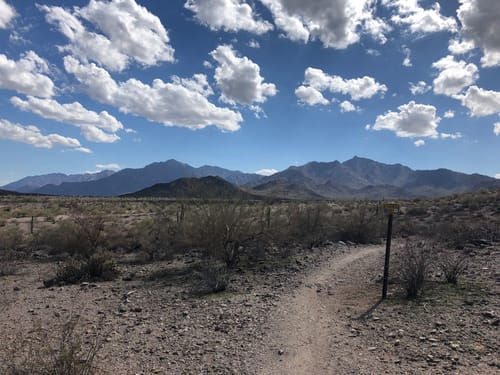
For trails, areas around Franklin Mountains State Park, including access points like Chuck Heinrich Memorial Park, can give you rugged desert scenery and serious elevation. Stick to routes that fit your experience, carry water, and watch your footing.
Need something gentler? Mix in flatter recovery routes along neighborhood paths, parks, or river-area routes when you want your legs to remember what kindness feels like.
A balanced week might look like this:
Run type | Route idea | Main goal |
Hill effort | Scenic Drive or McKelligon Canyon | Build strength and confidence |
Trail run | Franklin Mountains area trails | Practice footing and endurance |
Easy recovery | Flatter park or river-area route | Keep mileage comfortable |
4. Pace by effort and breathe like you mean it
El Paso sits at a higher elevation than sea level, and dry air can make runs feel tougher, especially if you’re new to the area or coming back after time off. Add a climb, and your breathing may sound like you’re auditioning for a dragon role. Totally normal.
Use effort instead of pace on hilly runs. A watch can help, but it may also lie to your ego. On steep inclines, your pace might slow a lot while your heart rate climbs. That doesn’t mean you’re out of shape. It means hills are doing hill things.
Try the talk test:
Easy effort You can speak in full sentences.
Steady hill effort You can say short phrases.
Too hard for most training runs You can only grunt, wheeze, or negotiate with the universe.
For breath control, settle into a rhythm. Many runners like breathing in for two steps and out for two steps on moderate efforts. On steeper climbs, switch to a quicker rhythm if needed. Keep your jaw loose, shoulders relaxed, and breathing deep into your belly instead of shallow into your chest.

5. Gear up and fuel for desert hills
Hills ask more from your body. El Paso weather asks more from your planning. Together, they’re basically a group project where your shoes, water bottle, and snacks better show up.
Start with shoes. For road hills, choose running shoes with a secure heel fit and enough cushioning for downhill impact. For trails, use shoes with good traction because loose gravel can turn a confident stride into an unplanned dance move.
Helpful gear for incline runs includes:
A handheld bottle or hydration vest for longer runs
A hat or visor for sun protection
Sunglasses for glare and wind
Moisture-wicking socks to reduce rubbing
Light layers when mornings start cool and warm up fast
For hydration, don’t wait until you’re parched. The American College of Sports Medicine generally recommends starting exercise well hydrated and replacing fluids based on sweat loss, exercise length, and conditions. In El Paso’s dry climate, sweat may evaporate quickly, so you might not notice how much fluid you’re losing.
For runs under an hour, water may be enough. For longer or hotter runs, bring electrolytes, especially sodium, and consider easy carbs like chews, gels, dates, or a small sports drink. Practice during training, not on race day. Your stomach loves a rehearsal.

Let the hills make you stronger
Running El Paso hills with confidence and ease doesn’t mean every climb feels easy. It means you know how to handle the work. You shorten your stride uphill, stay controlled downhill, pick routes with purpose, pace by effort, and respect the desert climate.
Start with one hill a week. Keep it relaxed. Celebrate the view at the top, even if your lungs are being dramatic. Over time, those steep inclines become less intimidating and a lot more fun.
El Paso gives you heat, altitude, scenery, and climbs that build grit one step at a time. Lace up, bring water, and let the hills teach you what strong feels like.


Comments